
Your needs, this model
Does it fit your priorities?
What does the MT190XPRO3 code buy?
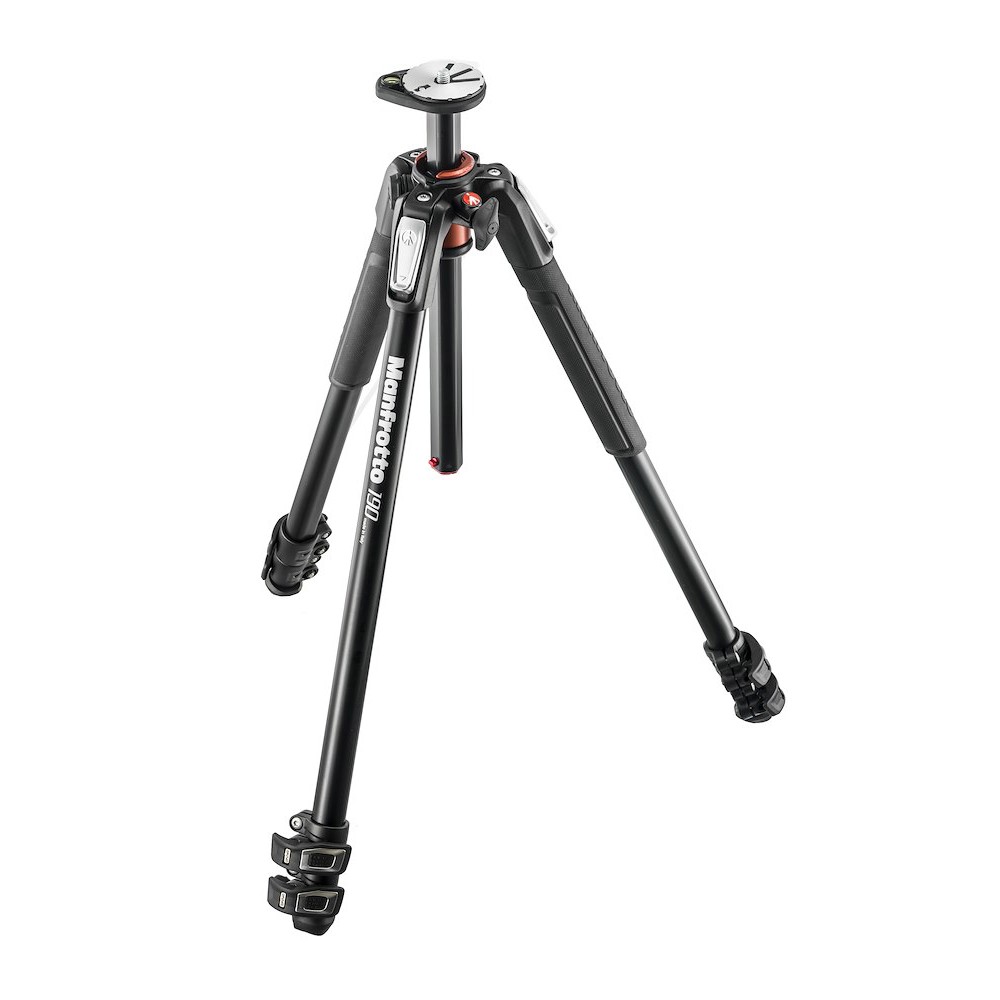
The exact code denotes three-section aluminum tripod legs with a 3/8-inch top screw; the maker lists no head or carrying bag. Choose a compatible head and check the specific seller’s package rather than substituting an MK head-kit code.
Explore this need in the finder →How does it compare with the four-section model?
The MT190XPRO3 is listed at 2.0 kg and 59 cm closed; the MT190XPRO4 is 2.05 kg and 49 cm closed. Both list a 160 cm maximum and a horizontal center-column position. These figures distinguish configuration and storage length, not tested stability or setup speed.
Explore this need in the finder →What does the manual say about horizontal-column loading?
Manfrotto lists a 15 kg UNI/PdR 105:2021 Safety Payload, while the linked instructions state the safety-load guarantee applies only with the column vertical and give 7 kg as the maximum applicable MT190 load in horizontal use. Keep the different labels and positions distinct; this is not a field test.
Explore this need in the finder →The MT190XPRO3 is the three-section aluminum member of Manfrotto’s 190 XPRO family, sold as tripod legs rather than a complete head kit. Its upright center column can also be repositioned horizontally through the 90-degree system. Against the four-section MT190XPRO4, the three-section layout is listed as slightly lighter but folds 10 cm longer. Both reach the same published maximum, so the choice is less about height than about the storage length, the extra leg section and how often the horizontal column will matter to the work.
Exact configuration and attachment
The manufacturer identifies the MT190XPRO3 as an aluminum three-section tripod with Quick Power Lock flip levers, individual leg-angle control, one spirit level and a rapid center column that moves through horizontal and vertical positions. The listed top attachment is a 3/8-inch screw, and the Easy Link socket provides a separate accessory connection. The specifications say no carrying bag is included and name no head. Choose a compatible head separately; do not transfer the head or package details of the similarly named MK190XPRO3 kits to this code.
Three sections, longer fold
Manfrotto lists the support at 2 kg, with a 160 cm maximum height and 135 cm maximum when the center column is down. Minimum height is 9 cm and closed length is 59 cm. The four-section MT190XPRO4 is listed at 2.05 kg and 49 cm closed, while sharing those maximum-height figures. The three-section version therefore saves 0.05 kg on the maker’s figures and has one fewer leg section, but takes 10 cm more length in storage. Those are catalog comparisons, not measured carry impressions or a conclusion that one design is more stable. Count the locks and compare the folded length with your actual case or shelf.
Horizontal positioning is useful, with a limit
A side-positioned column can help frame subjects on a table or place a camera over an object while keeping the legs arranged below. That is different from reversing a column to hang a camera underneath. The instruction manual describes moving this column to a 90-degree position, and it also warns that its UNI/PdR 105:2021 safety load is guaranteed only with the column vertical. For horizontal use, it states a 7 kg maximum applicable load for the MT190 family. The product page separately lists a 15 kg Safety Payload under the same standard. Keep those statements in their distinct contexts: the latter is not a promise of a 15 kg horizontal working load, and neither is a hands-on test.
Choose a head deliberately
The bare top attachment is 3/8-inch; confirm the head’s thread and consult both sets of instructions for any retention screw. A head adds weight and height, and its handles or plate may affect the working arrangement. The horizontal column can also place the camera away from the leg footprint, so evaluate the intended use with the actual camera, lens and head rather than reading the listed vertical safety payload as a blanket capacity. The Easy Link fitting is convenient for mounting an accessory arm, but the presence of that socket does not certify the load or reach of an accessory.
Where it fits in a shortlist
Consider MT190XPRO3 if the 59 cm fold fits your transport plan and you prefer the listed 2 kg support mass and three-section layout. If reducing the folded length matters more, the MT190XPRO4 is the closer sibling to compare; it is 10 cm shorter on paper but a little heavier and has four sections. Either can position its center column horizontally, so neither is the right match for a strict requirement to avoid that mechanism. The maker’s current photo shows the named support without a camera head or bag; it should not be used to infer product dimensions or load behavior.
This is a source-based assessment of the exact MT190XPRO3 code, not a report of personal ownership or testing. The evidence includes the current Manfrotto page, the linked 190/055 instructions and a U.S. retailer listing whose manufacturer number matches the full code. No load, column-offset stability, weather, vibration, travel, durability or setup-speed test was conducted. The manual’s horizontal limit, the current page’s vertical-condition safety-payload field and a retailer’s specific box contents should be checked separately; confirm the exact code and compatible head before purchase.
Key specifications
Key details at a glance
| Listed support or kit weight | 2 kg |
|---|---|
| Leg material | Aluminum |
| Maximum height (as listed) | 160 cm |
| Maximum height, column down | 135 cm |
| Minimum height | 9 cm |
| Closed length | 59 cm |
| Leg sections | 3 |
| Leg-lock style | Flip locks |
| Head supplied with tripod legs | No |
| Upper head attachment | 3/8-inch screw attachment; a head is selected separately |
| Carrying bag included | No |
| Easy Link accessory connector | Yes |
| Manufacturer safety-payload figure (UNI/PdR 105:2021) | 15 kg |
| Leg-angle positions | 25 / 46 / 66 / 88° |
Use the exact model’s instructions for operating limits, supplied equipment and version differences.
Sources for this review
Sources for this assessment
Make the choice fit your whole camera setup
Start with your head, camera and lens, then use the published figures as screening limits rather than field-performance claims.